
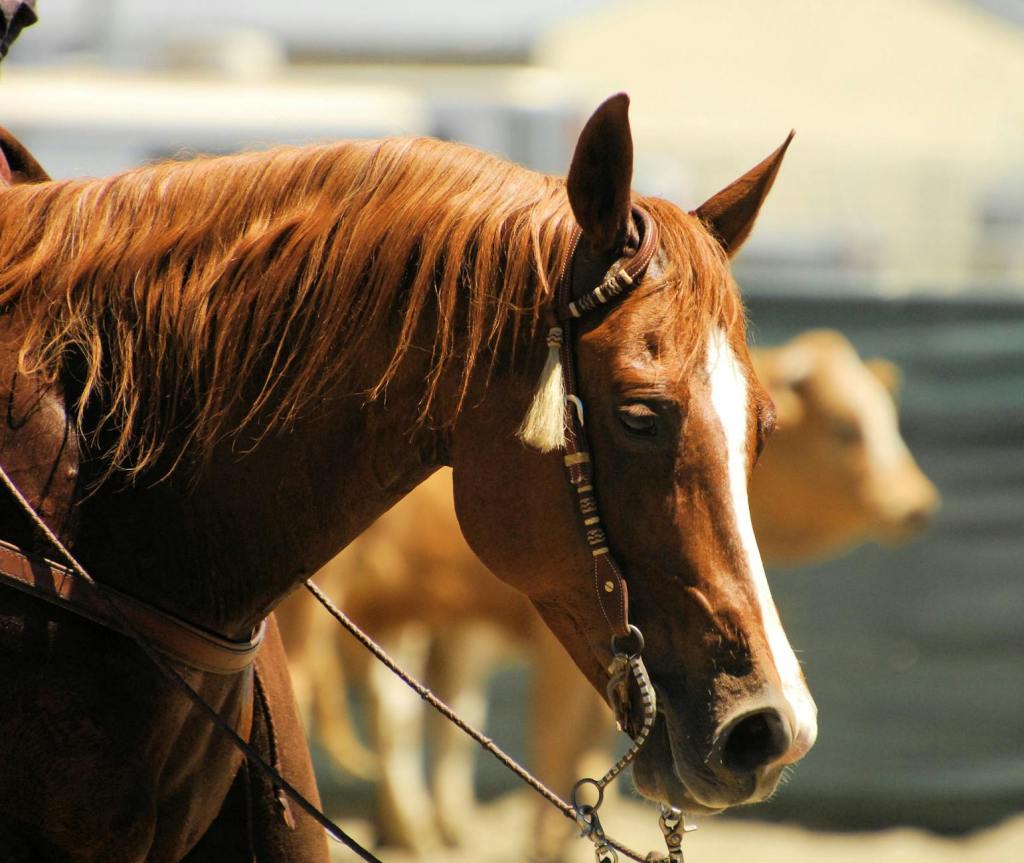
I am by no means a professional horseman yet—although I fully intend to get there one day. But I can tell you that I was once trapped in my own ego, thinking I knew it all. I was your typical barrel racer who just wanted to run fast and show off. I thought rodeo was the coolest thing in the world.
Back then, if someone had told me I was a bad horseman, I would have taken it to the grave that they were crazy. How dare they say such a thing? But I was young and naïve. I think we all need to go through a phase like that at some point in our lives—about something. Looking back, I believe being that way when I was younger actually helped me. Because now, I know exactly what it’s like to be a “know-it-all,” which gives me even more reason to stay far, far away from that mindset. I’m less likely to fall into the ignorance trap again because I’ve been there, done that.
As I grew into adulthood, life hit me hard.
(Side note: There really should be a name for that crisis young adults go through—kind of like a midlife crisis, except it happens when you’re 18 or 19, when you think you know everything, only to realize you actually don’t. It’s a humbling, even terrifying, moment.)
Anyway, my point is—I learned fast that I didn’t know everything about horses and horsemanship. I had to step outside the rodeo world and into the Reined Cow Horse world—a discipline that demands way more horsemanship in order to compete. (Let’s be real, it’s pretty easy to slip through the cracks in rodeo without being a solid horseman.)
Now, hold on—don’t get your panties in a twist. Don’t be me five years ago.
I said what I said. And if you can read what I’m about to tell you without getting offended, then congratulations—you’re already a step ahead of most people.
I’m not here to tell you that you have to walk away from the discipline you love. In fact, my goal is to help you learn these crucial lessons without having to take the detour I did.
(Buuut… if you did want to try something new, it would only make you a better horseman. Just saying.)
Over the past few years, I’ve listened to countless podcasts from professionals, watched MANY videos, and studied those professionals inside and out. I’ve narrowed the basics down to a few key lessons for you:
1. You Can’t Beat a Square Nail Into a Round Hole
I believe I first heard this from Ty Murphy, an ex-rodeo champion turned rancher and horseman. His approach to horsemanship blew me away.
You can pull, yank, and fight with your horse all day, but if they don’t understand what you’re asking, you’re not going to get anywhere. Have you ever gotten on your horse already frustrated from the day’s events, only to find yourself even more frustrated by the end of your ride—feeling like you’ve actually gone backward in progress? Yeah, me too.
Chances are, you spent the entire ride mad at your horse, probably being a little heavier-handed than you should have been. So next time you get in the saddle, remember this: If your horse isn’t doing what you expect, and they don’t understand what you’re asking, being heavy-handed is not the answer.
Which leads me to my next point…
2. Horses Learn From the Release of Pressure—Not From Getting Their Butts Kicked for Doing the Wrong Thing.
I have to remind myself of this every time I ride—probably 10 to 20 times, honestly. Years of bad habits conditioned me to force a horse into doing something rather than teach them. But here’s the truth: The quicker you release pressure, the faster they learn.
For example, if I’m teaching a horse to side-pass, I start with light pressure from my leg. I then give the horse a moment to process and search for the right answer. I must be patient. If my horse starts dancing around or showing signs that they feel the pressure, I need to wait for the correct response—moving away from my leg—then immediately release the pressure.
⚠ Important: Be careful not to get frustrated and apply more pressure when they aren’t giving the right answer. The only time you should increase pressure is if they aren’t responding at all. Some horses are naturally more sensitive than others, so it’s crucial to know where your horse falls on that scale.
Also, remember this: If you start with heavy pressure, you’ll always have to use heavy pressure to get a response. And that’s not the goal.
3. Horses Are Prey Animals—They Suffer From Confinement
This is probably the easiest thing for us humans to forget. We love confinement. From the moment we’re born, we find comfort in being held by our mothers. Horses? Not so much.
When a horse feels trapped, every alarm in their system starts blaring: Danger! Danger! Danger! That’s why they dance around and get nervous. I can tell you from experience—if your horse is nervous, you’re not going to get anywhere.
So, why do we expect them to calmly accept confinement, whether it’s being asked too much at once, receiving conflicting cues, or being led into a stressful situation?
Here’s what we can learn from this:
✔ If your horse trusts you, they’ll be less anxious about training.
✔ If you always give them a clear way out of pressure, they’ll search for that answer rather than panic.
✔ Sometimes, you need to just let them move freely—without micromanaging.
For example, take them on a long trot with a loose rein. Let them move the way they want. Walk calmly around the arena with a relaxed rein and a low head. When you apply these concepts, you’ll see less resistance and a whole lot more learning. What would normally take you 3 days to teach, will suddenly start to take you 15 minutes to teach.
4. Learn the Difference Between Respect and Force
Yes, your horse must respect you. If they don’t, they’ll walk all over you. And letting them do whatever they want all the time isn’t how you build a relationship or trust—it just makes you irrelevant in their eyes.
Horses need a leader. So be one. Teach your horse to respect you by making the wrong thing hard and the right thing easy. But don’t confuse respect with force.
I know people who can muscle a horse into doing anything. But does that horse actually respect them? Or are they just obeying out of fear?
Your horse will want to learn from you if they respect you—and that respect comes from fairness, good timing, and, most importantly, respect for them.
It doesn’t matter what discipline you’re in—good horsemanship always wins.
Don’t be the barrel racer who just hops on and runs. Spend time teaching techniques. Train your horse to stand still at the gate. Teach them to lower their head without relying on a tie-down. Hold them accountable for their behavior.
Spend more time training your horse than training for the event.
Because in the end, good horsemanship is the key to success.
 Western Vitality
Leave a comment